Can You Get Breast Cancer During Menopause : Diabetes Can Increase Your Mom S Risk Of Breast Cancer After Menopause Hindustan Times - Breast cancer is most common in women over 50.
Dapatkan link
Facebook
X
Pinterest
Email
Aplikasi Lainnya
Can You Get Breast Cancer During Menopause : Diabetes Can Increase Your Mom S Risk Of Breast Cancer After Menopause Hindustan Times - Breast cancer is most common in women over 50.. Women can develop abnormal growths at any age, but menopausal women are certainly in a higher risk category. Women who go through menopause later in life have an increased risk of breast cancer compared to women who go through menopause earlier. Each year, over 200,000 women are diagnosed with breast cancer. However, the rates of many cancers, including breast cancer, do increase with age. Breast cancer is most common in women over 50.
If you've been diagnosed with breast cancer or have tested positive for an abnormal breast cancer gene (brca1 or brca2) and so are at high risk, you shouldn't use hrt to treat the symptoms of menopause. During a woman's menstrual cycle, estrogen stimulates the uterus and breast tissue. Though menopause itself does not cause breast cancer, the chance of developing breast cancer increases the older you get. Women can develop abnormal growths at any age, but menopausal women are certainly in a higher risk category. Based on the whi study, taking ept is linked to a higher risk of breast cancer.
Managing Menopausal Symptoms In Breast Cancer Survivors Endocrinology Advisor from www.endocrinologyadvisor.com Menopause itself is not associated with an increased risk of developing cancer. Learn about symptoms, risk factors, diagnosis, and treatment. Fibrocystic breast changes (also called fibrocystic breasts) this condition is very common, especially when you are in your 30s and 40s. Generally, your risk for breast cancer increases every year that menopause doesn't happen. If you do start to feel a lump in either of your breasts, keep in mind that it could be a common cyst that many women get during or after they complete menopause. In addition, some of the drugs. Women who go through menopause later in life have an increased risk of breast cancer compared to women who go through menopause earlier. Women can develop abnormal growths at any age, but menopausal women are certainly in a higher risk category.
It can be difficult to protect yourself from ovarian cancer after menopause.
In addition, some of the drugs. And yet women continue to fear breast cancer more than the statistics warrant. Breast cancer is most common in women over 50. A recent study found that 1 in 5 women went up a bra size after menopause (typically due to weight gain), but only 1 in 50 needed a. This can happen naturally as women get older, but it can also be caused by breast cancer treatment. If you have any of the above symptoms or other breast changes, you need to see your doctor for two reasons: Learn about symptoms, risk factors, diagnosis, and treatment. You may feel discomfort in one breast or both breasts. Breast cancer is not a disease of having too much estrogen in your body. The longer ept is used, the higher the risk. A pooled analysis of data from 117 studies looked at the age at menopause and breast cancer risk. If you've been diagnosed with breast cancer or have tested positive for an abnormal breast cancer gene (brca1 or brca2) and so are at high risk, you shouldn't use hrt to treat the symptoms of menopause. (rates begin to increase after age 40 and are highest in women over age of 70.)
It can be difficult to protect yourself from ovarian cancer after menopause. A pooled analysis of data from 117 studies looked at the age at menopause and breast cancer risk. Some women find these symptoms manageable, but many find they are difficult to cope with and can affect their quality of life. Hormone replacement therapy (hrt) after breast cancer During a woman's menstrual cycle, estrogen stimulates the uterus and breast tissue.
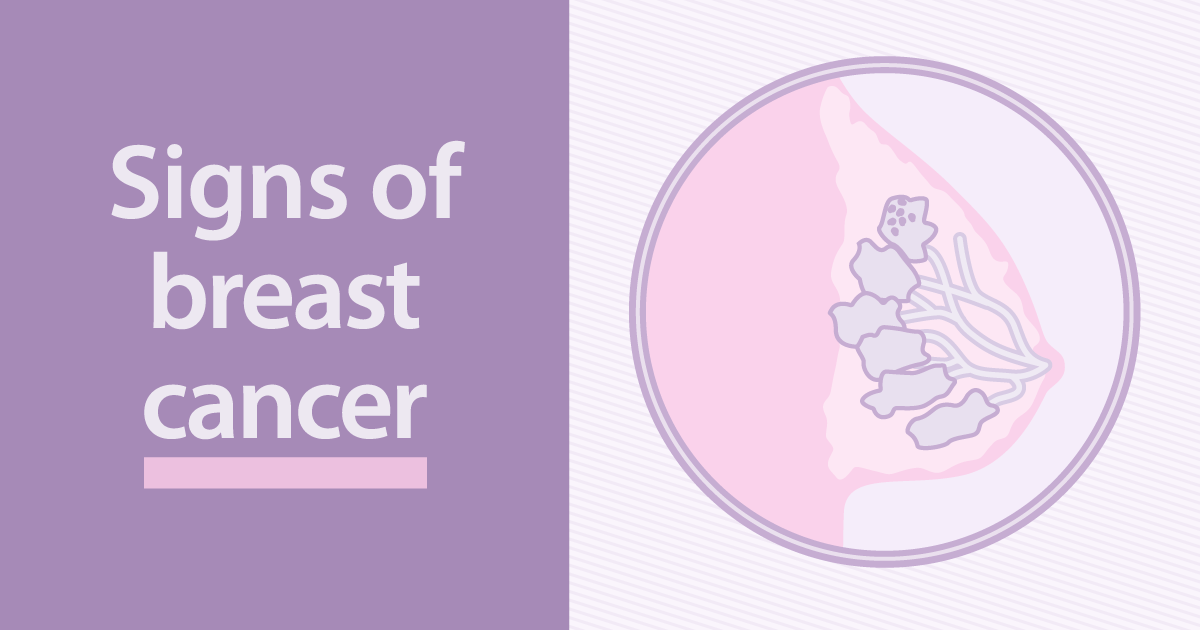
What Are The Signs Of Breast Cancer Ctca from cdn.cancercenter.com The longer ept is used, the higher the risk. Research findings show that women who begin menopause after age 55 are 30 percent more likely to develop breast cancer compared to women who begin menopause before age 45. If you've been diagnosed with breast cancer or have tested positive for an abnormal breast cancer gene (brca1 or brca2) and so are at high risk, you shouldn't use hrt to treat the symptoms of menopause. Breast cancer is most common in women over 50. You may feel discomfort in one breast or both breasts. During a woman's menstrual cycle, estrogen stimulates the uterus and breast tissue. It is linked to a higher risk of abnormal vaginal bleeding. Increased exposure to hormones, such as estrogen increased number of ovulations ovulation occurs when the ovary releases eggs.
Women who go through menopause later in life have an increased risk of breast cancer compared to women who go through menopause earlier.
You will probably need an antibiotic, and you need to have inflammatory breast cancer. The association between menopause symptoms and decreased cancer risk did not change even after the researchers accounted for other known factors, such as obesity. There are some doctors who will recommend removing the ovaries with the uterus if a woman is over 40 and has gone through or is close to menopause. If you do start to feel a lump in either of your breasts, keep in mind that it could be a common cyst that many women get during or after they complete menopause. After menopause, you may need to go big when you shop for bras: Find out how to manage the effects. It's not cancerous and will never be cancerous. Women of menopausal age are at an increased risk for breast cancer. In this article, learn why breast pain can happen at this stage of life. In addition, some of the drugs. For every year older a woman was when she started going through menopause, breast cancer risk increased by about 3 percent 1. Fibrocystic breast changes (also called fibrocystic breasts) this condition is very common, especially when you are in your 30s and 40s. Methods of treatment including chemotherapy, surgical removal of the ovaries, antiestrogen therapy, and radiotherapy can induce menopause in women who are not yet menopausal.
It also appears the longer your breast tissue is exposed to estrogen, the greater your breast cancer risk. A recent study found that 1 in 5 women went up a bra size after menopause (typically due to weight gain), but only 1 in 50 needed a. Breast pain can be cyclical (corresponds with your period) or noncyclical (no relation to your period). After menopause, you may need to go big when you shop for bras: Hormone replacement therapy (hrt) after breast cancer
5 Things To Know About Postmenopausal Bleeding Fox Chase Cancer Center Philadelphia Pa from www.foxchase.org Based on the whi study, taking ept is linked to a higher risk of breast cancer. (it's unusual after menopause.) more than half of all women have this condition at some point in their lives. In addition, some of the drugs. Breast cancer is not a disease of having too much estrogen in your body. Hormone replacement therapy (hrt) after breast cancer Research findings show that women who begin menopause after age 55 are 30 percent more likely to develop breast cancer compared to women who begin menopause before age 45. Menopause itself is not associated with an increased risk of developing cancer. Breast cancer treatments such as chemotherapy, hormone (endocrine) therapy or ovarian suppression (stopping the ovaries working either permanently or temporarily) can cause menopausal symptoms.
(it's unusual after menopause.) more than half of all women have this condition at some point in their lives.
If you are in this stage, you should discuss this with your doctor. During a woman's menstrual cycle, estrogen stimulates the uterus and breast tissue. The longer ept is used, the higher the risk. Though menopause itself does not cause breast cancer, the chance of developing breast cancer increases the older you get. You will probably need an antibiotic, and you need to have inflammatory breast cancer. In addition, some of the drugs. You may feel discomfort in one breast or both breasts. It can, however, stick around or go away. If you've been diagnosed with breast cancer or have tested positive for an abnormal breast cancer gene (brca1 or brca2) and so are at high risk, you shouldn't use hrt to treat the symptoms of menopause. Methods of treatment including chemotherapy, surgical removal of the ovaries, antiestrogen therapy, and radiotherapy can induce menopause in women who are not yet menopausal. Fibrocystic breast changes (also called fibrocystic breasts) this condition is very common, especially when you are in your 30s and 40s. Menopause itself doesn't boost your breast cancer risk, but growing older does. Again, this is called medical menopause if it's caused by medicines such as chemotherapy, or surgical menopause if it's caused by removal of the ovaries.
Adapun keutamaan jika membaca surat al kahfi di hari jumat, satu di antaranya. Membaca surat yasin · 3.memperbanyak membaca sholawat atas nabi muhammad saw · 4.memotong kuku · 5. Dalam keterangan hadis yang sudah populer bahwa disunnahkan bagi kaum muslimin untuk membaca surat al kahfi (surat ke 18) setiap pekan di hari atau malam jumat. Surat ini terdiri dari 110 ayat. Keutamaan surat al kahfi akan berlipat gada jika dibaca pada hari jumat sebagai waktu khusus untuk orang yang ingin mendekatkan diri pada . Nourish As n Friends: Penawaran Paket Menginap dan Paket from 2.bp.blogspot.com Adapun keutamaan jika membaca surat al kahfi di hari jumat, satu di antaranya. Subscribe and follow me on:youtube: Dalam keterangan hadis yang sudah populer bahwa disunnahkan bagi kaum muslimin untuk membaca surat al kahfi (surat ke 18) setiap pekan di hari ...
How To Make A Cake Pop Up Card / Easy Diy Birthday Cake Pop Up Card Craft For Kids : Make sure the edges meet and you crease the middle. . The bottom rung of the cake should be approximately half the length of the card. A fairly large one because this is going to be your cake. Pdf (with and without color), svg, (can be used with cricut design space), silhouette studio. It's kathy today with a tutorial showing how to fold and assemble the new a2 pop up birthday cake card, which is available here in lori's svg shop and here in the silhouette store. Cut out the cupcake section of the template and fold it along the center dashed line. You can also decorate a piece of styrofoam and stick the cake pops into it. I started by cutting my pieces. We do love pop up cards at papermilldirect, you can find all of our tutorials, including the popular pop up box card tutorial in our category pop up card tutorials. This is a really quick and easy proj. Divide this cake space...
How Do I Know If My Child Has Cancer / How do I know if my child has ADHD? | Ask Dr E / It feels like the journey is never really over. . You may say, i know you and i (or dad or mom) have been arguing a lot, but that has nothing to do with this illness. children might worry cancer is contagious. Cancer in children is not common, but it's important to have your child checked by a doctor if they have unusual signs or symptoms that do not go away, such as: Your doctor will ask how long and how often your child has been experiencing the symptom(s), in addition to other questions. Let your child know that no one in your family did anything to cause the cancer. Some other symptoms of cancer in children might include fever, frequent infections, bone pain, night sweats, vomiting, and headaches, all of which children often have when they have more common and less serious viral infections or other common problems of childhood. An unusual lump or swelling unexplained palen...



Komentar
Posting Komentar